
Mar 14
How to Keep a French Conversation Going When Your Mind Goes Blank
Use a simple rescue system, practical French repair phrases, and a 10-minute drill to keep a French conversation going when your mind goes blank.
12 min readRead
Browse all our articles related to intermediate. Learn tips and techniques to improve your language skills.
Use a simple rescue system, practical French repair phrases, and a 10-minute drill to keep a French conversation going when your mind goes blank.
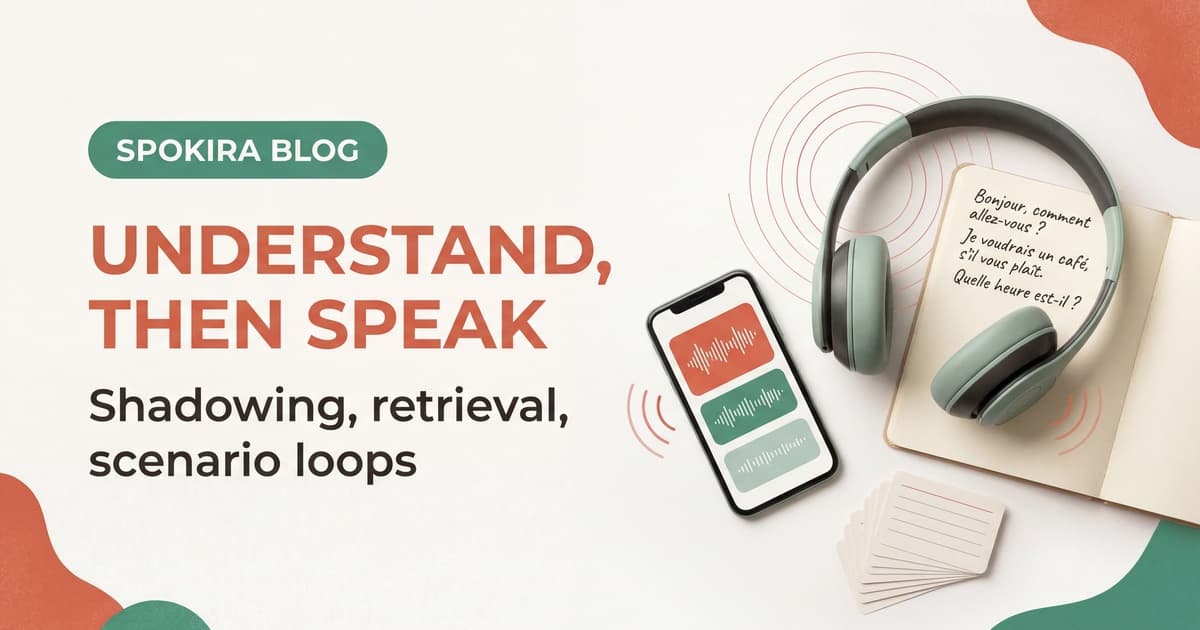
If your French comprehension is ahead of your speaking, use shadowing, retrieval, scenario loops, and repair work to turn passive French into usable output.
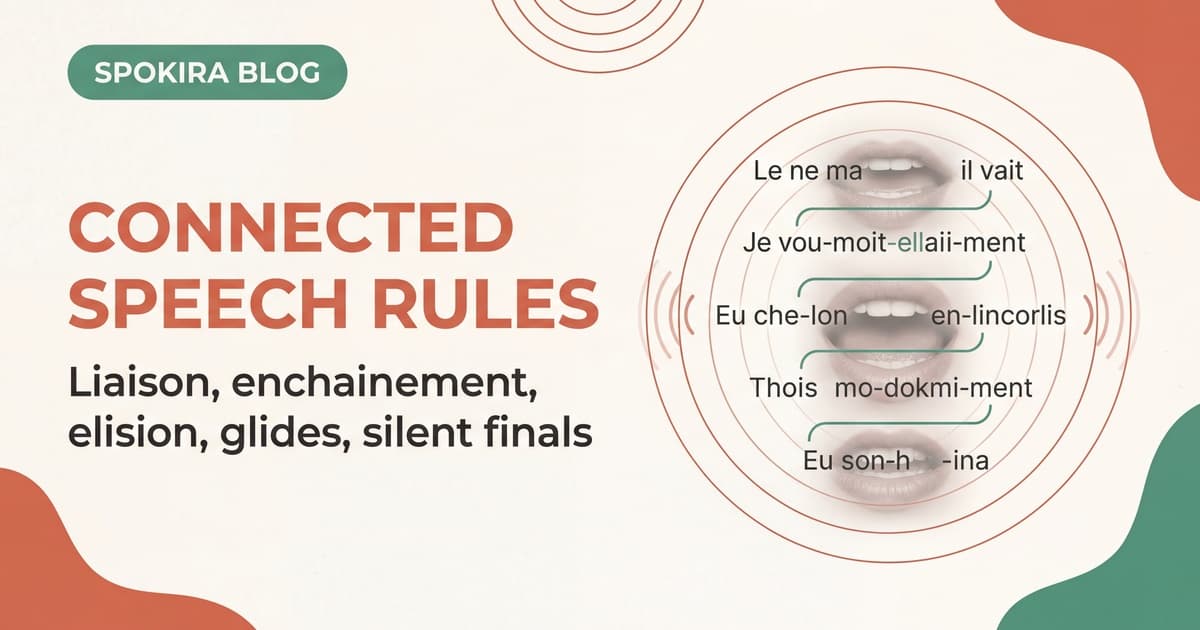
Master French connected speech rules: liaison, enchaînement, elision, glides, and silent finals, so your French flows instead of sounding word-by-word.
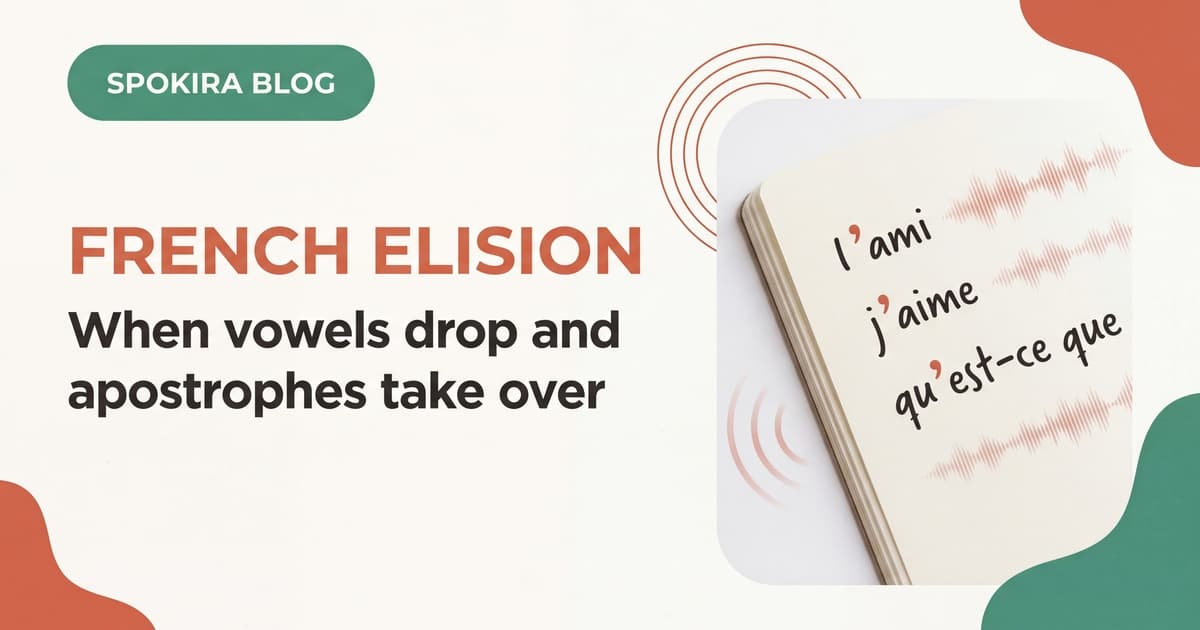
Learn French elision: when and why short vowels drop before other vowels, with the complete word list, examples, common mistakes, and drills.
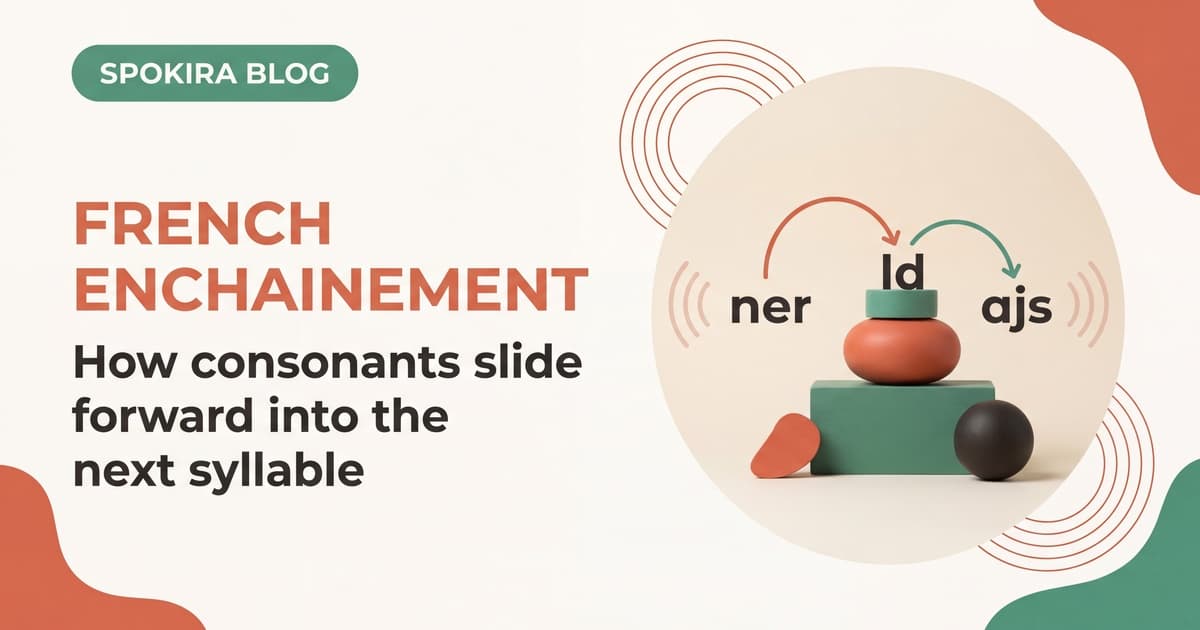
Learn French enchainement, the linking rule where pronounced final consonants slide forward to the next vowel, with examples, drills, liaison contrasts, and practice routines.
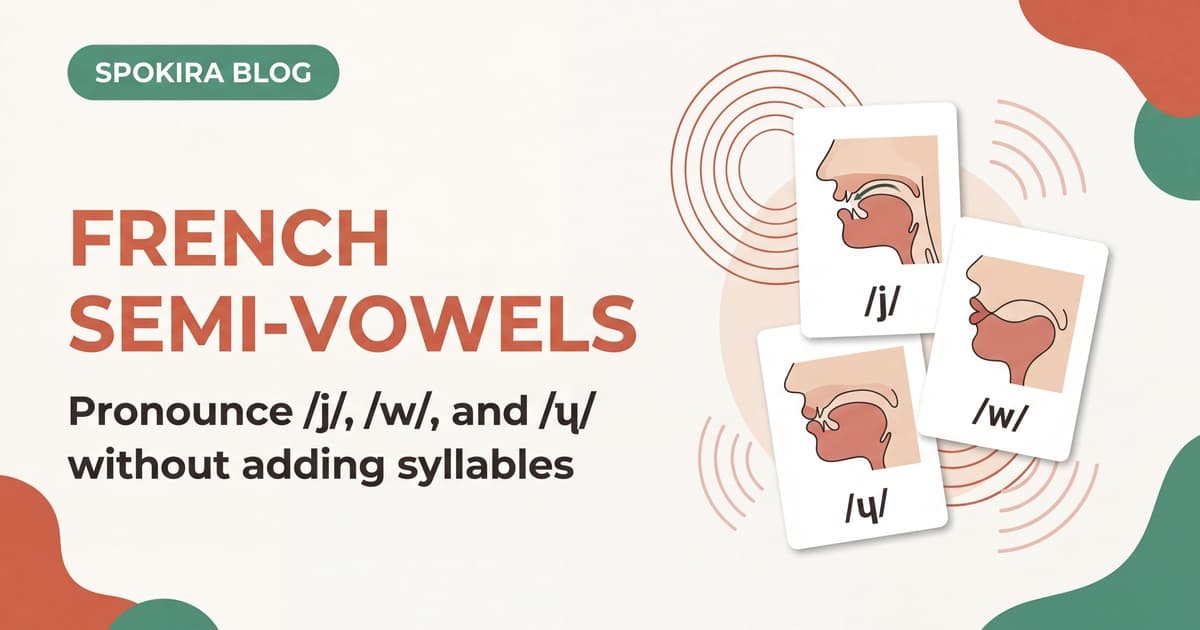
Learn French semi-vowels /j/, /w/, and /ɥ/ with clear rules, common mistakes, shadowing drills, and a practical routine to stop adding extra syllables.
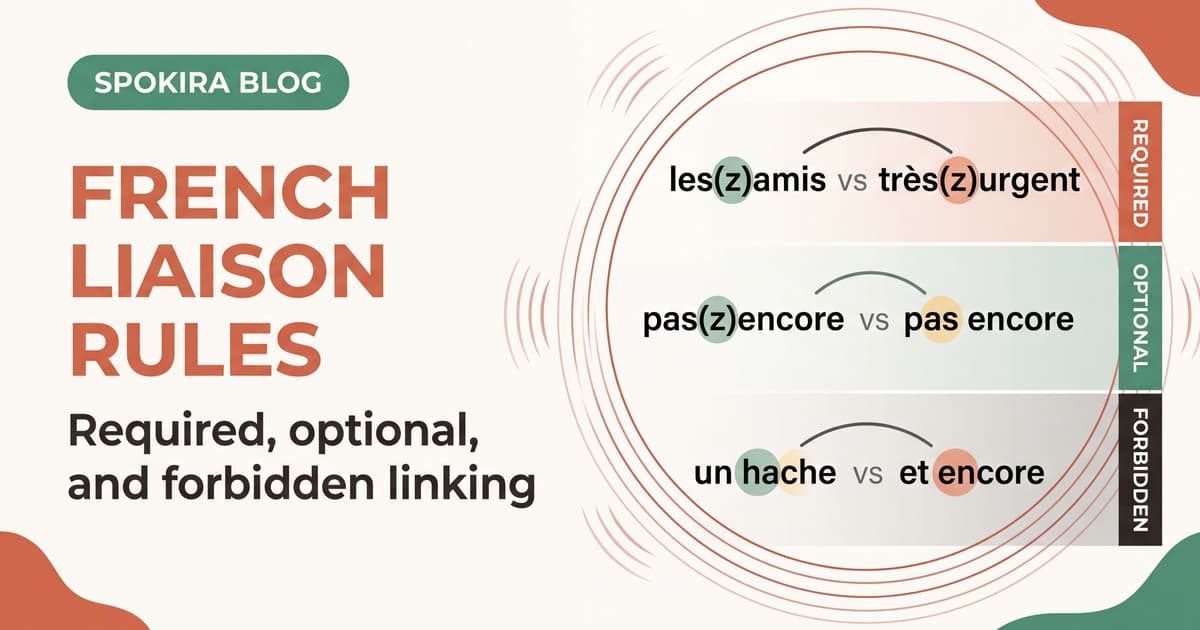
Learn exactly when French liaison is required, optional, and forbidden. Includes high-frequency examples, common English-speaker mistakes, shadowing drills, and a self-check.
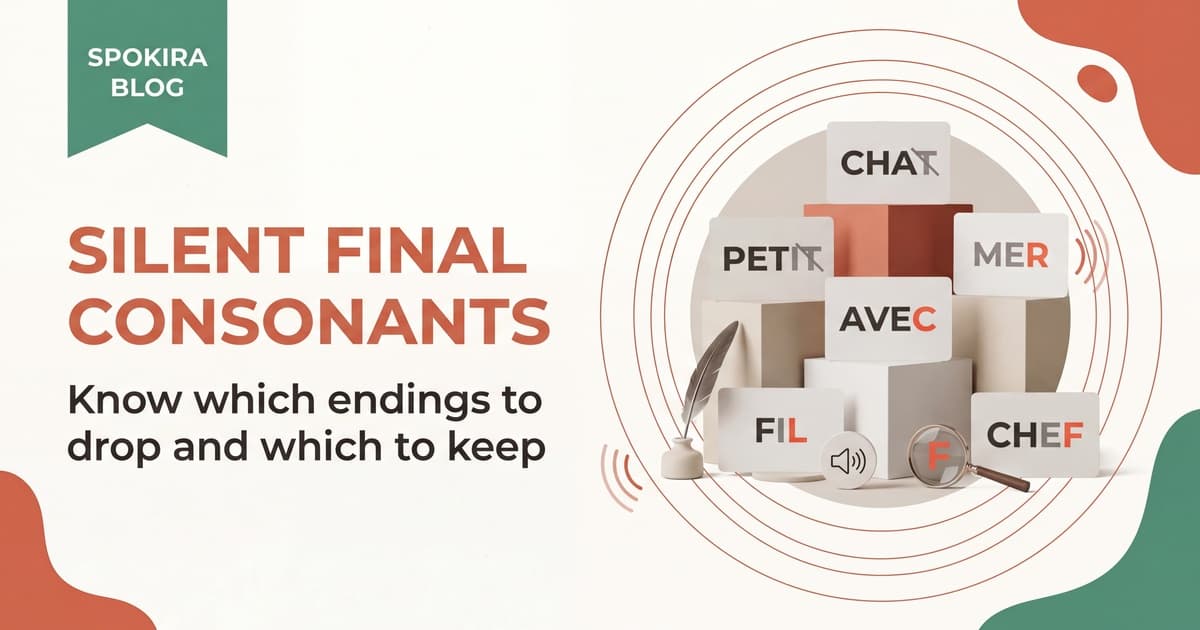
Master French silent final consonants with the CaReFuL rule, common exceptions, high-frequency examples, and short drills to stop over-pronouncing word endings.
Use chunk practice, shadowing, and timed recall to stop translating in your head and speak French with less hesitation.
A ranking of the most useful French learning methods for A2-B1 learners, based on what actually helps listening, pronunciation, recall, and conversation.
"Je suis excité" in English usually means sexually aroused, not just excited. Learn safer French alternatives like "j'ai hâte" and "je suis ravi(e)."
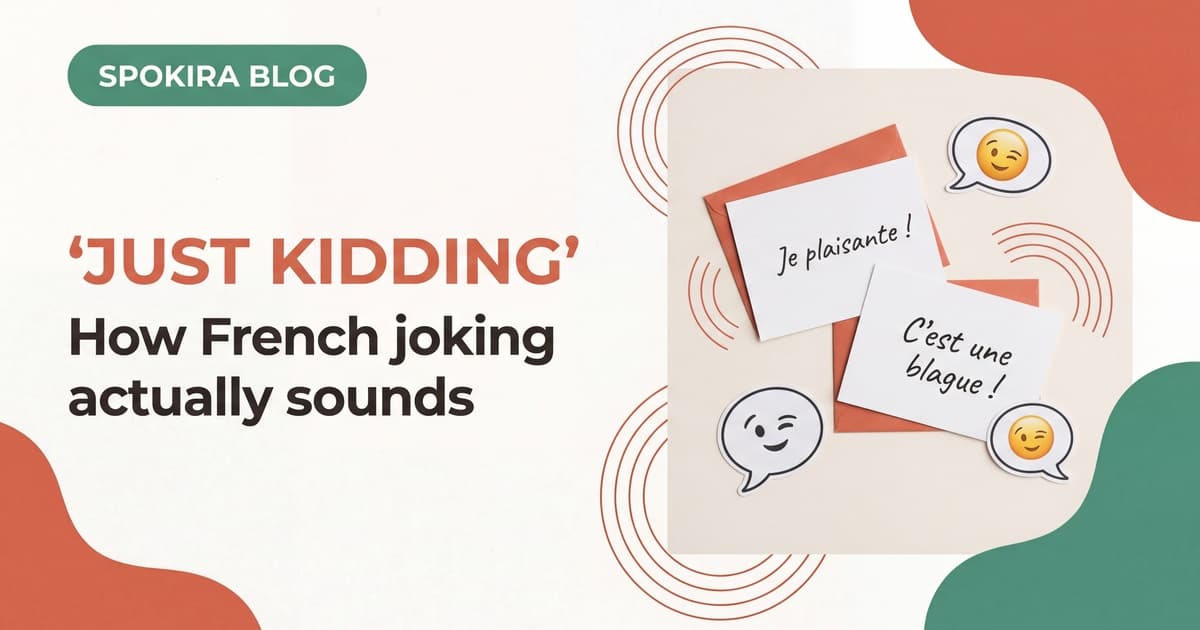
"Je plaisante" works, but French speakers have a whole range of ways to signal they're joking. Here's how humor actually sounds in spoken French.
"Ça fait sens" is a calque that makes French speakers wince. Here's what they actually say when something makes sense, and why the real phrases work better.
Your French textbook taught you phrases that native speakers barely use. Here are 10 classroom staples and what French people actually say instead.
Classroom French and spoken French are practically two dialects. Here's a side-by-side guide to the biggest gaps, and how to bridge them.
English speakers use 'double entendre' to describe a phrase with two meanings. But this expression doesn't exist in French. Here's what French people actually say.
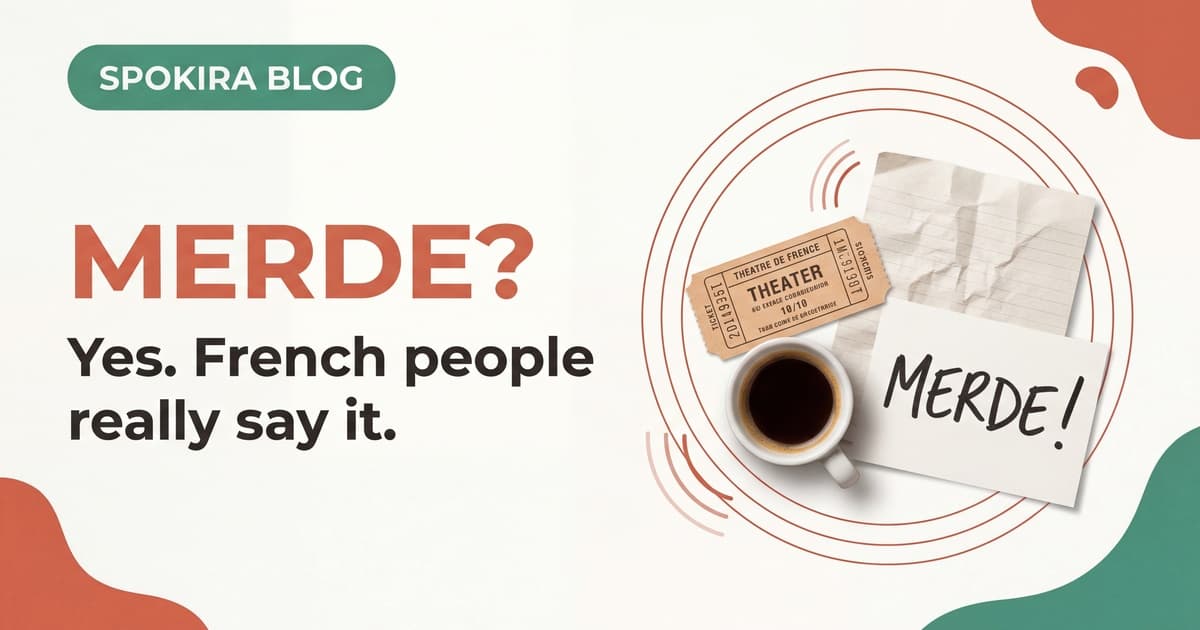
Merde is the most famous French swear word. But how often do French people really use it, what does it mean beyond the literal, and when is it actually appropriate?
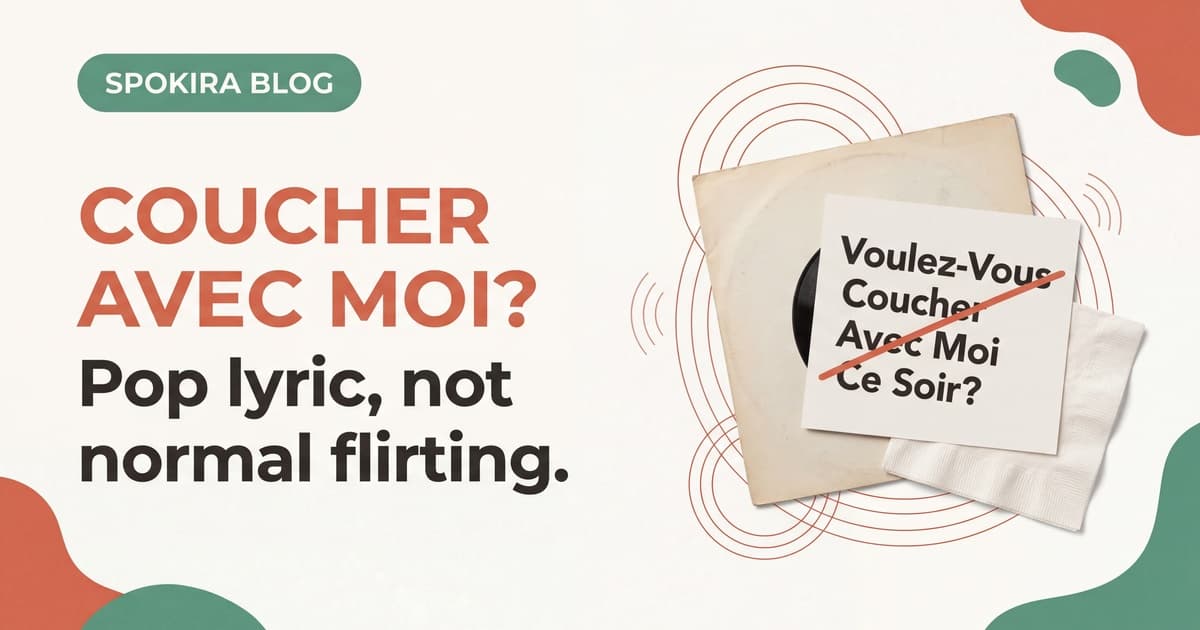
Thanks to a pop song, everyone knows this phrase. But would a French person ever actually say it? Here's the truth about this infamous line and what French flirting really sounds like.
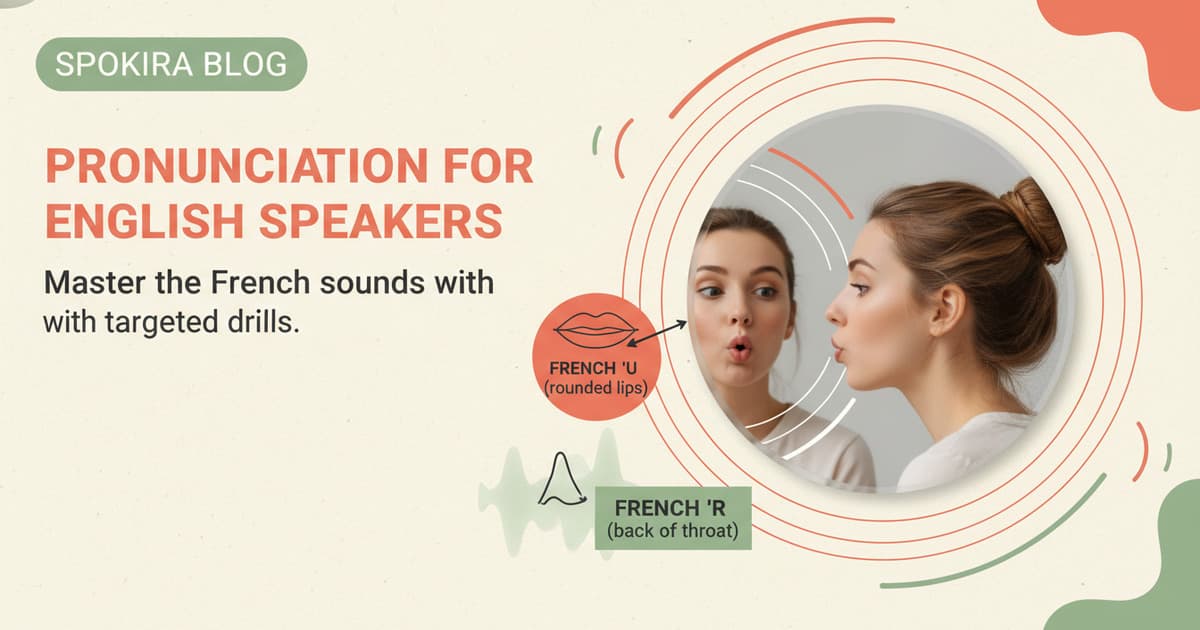
Use this French pronunciation guide to learn the CaReFuL rule, mouth positions, and daily drills that help English speakers sound clearer.
Follow a 7-day French speaking practice plan with shadowing, retrieval, pronunciation repair, and low-pressure conversation transfer.